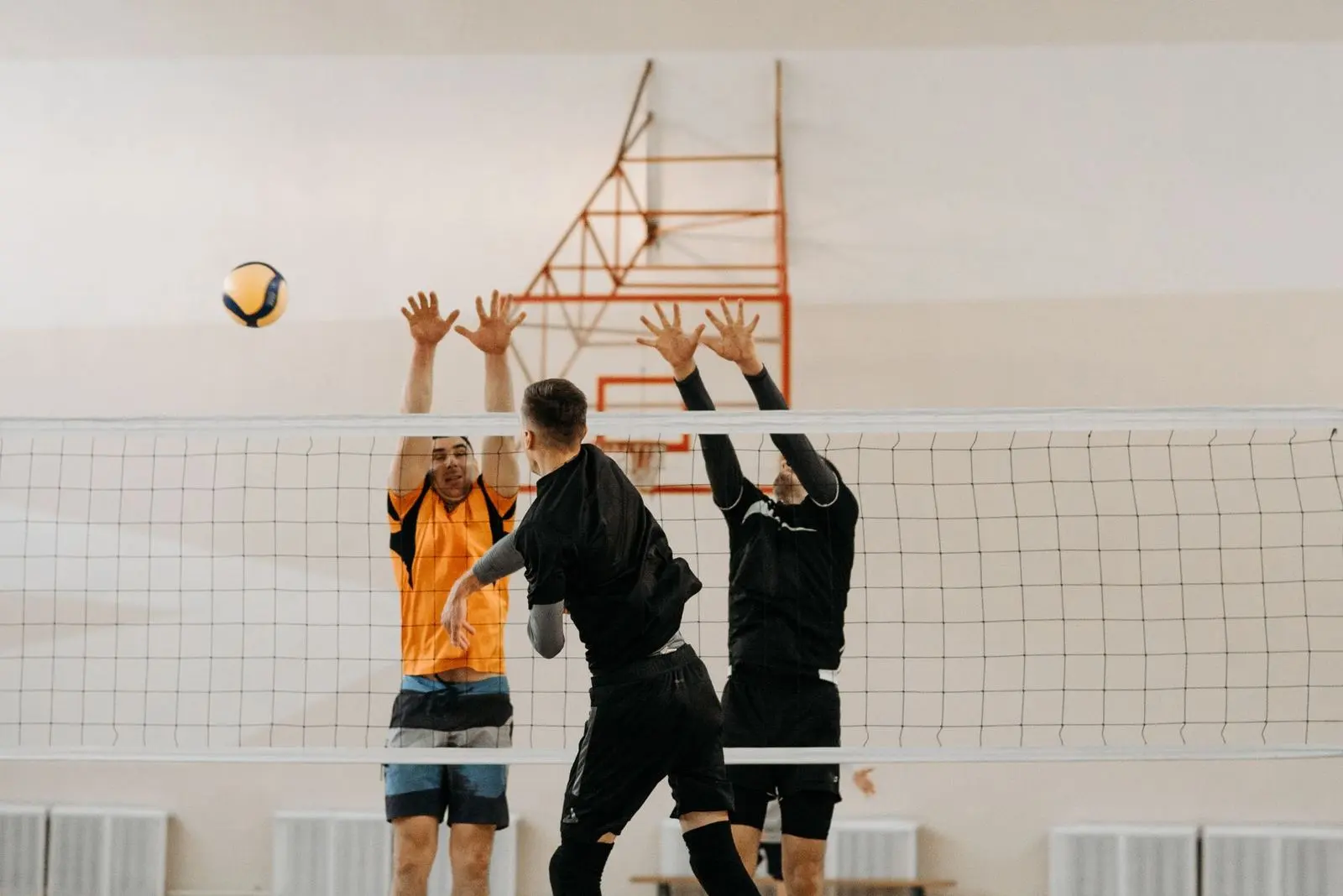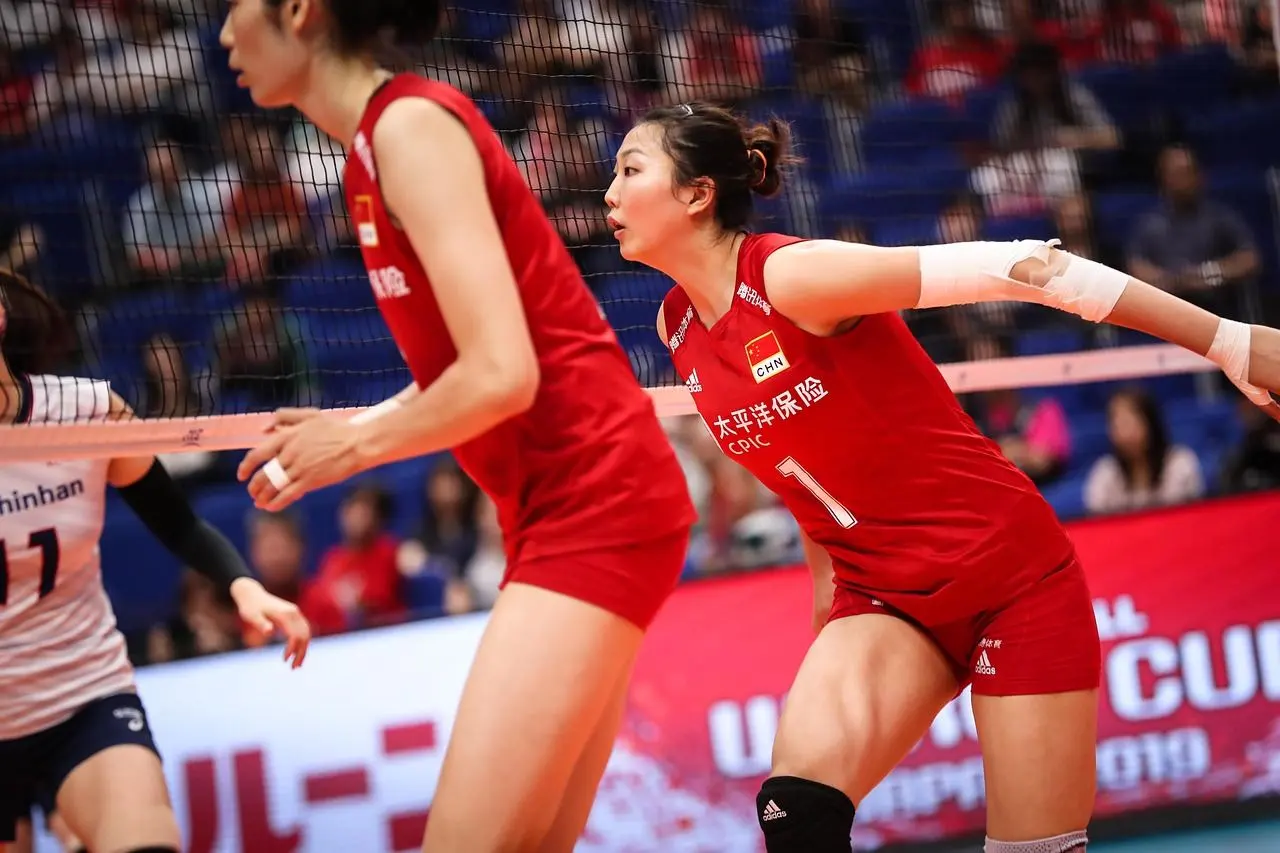
Short on time before practice and not sure what to do first? The best volleyball warm up exercises move from light cardio to dynamic stretches to shoulder-friendly ball drills, and they fit in before the first hard swing.
If you want the wider picture beyond the warm-up, our guide to volleyball training tips covers the rest of your training week.
| Item | Value |
|---|---|
| Length of the VolleyVeilig warm-up program | 15-20 minutes |
| Duration of the VolleyVeilig study | Six weeks |
| Player age range in that study | 16 to 21 years |
| Shoulder share of all volleyball-related injuries | 8%-25% |
| Shoulder internal rotation speed during spiking | Up to 4000°-7000°/s |
These figures come from the VolleyVeilig study and a study of shoulder muscles during spiking. Research figures can change as new studies appear, so check the sources before you rely on them.
Why your shoulders need a real warm-up
Spiking loads the shoulder hard: researchers who measured male players reported internal rotation reaching values as high as 4000°-7000°/s, as described in the JSES International paper. The same paper says volleyball players carry the same level of stress on the shoulder as athletes doing overhead pitching in baseball or serving in tennis.
Injuries follow that load. The paper puts shoulder injuries at 8%-25% of all volleyball-related injuries, and it notes that most volleyball shoulder problems, such as impingement and rotator cuff tendinopathy, come from chronic overuse rather than one sudden event (source).
Overuse builds up slowly, which is exactly why a repeatable routine at the start of every session matters more than a one-off stretch.
A four-stage warm-up routine for practice
A good structure mirrors the VolleyVeilig program tested in a Scientific Reports study. It combined light aerobic exercises, dynamic stretching, agility and reaction drills, and volleyball-specific skill drills (PubMed record). Use the order below and adjust the examples to your team.
- Light aerobic work. Easy jogging, side shuffles and skipping across the court until you feel warm and your breathing picks up slightly.
- Dynamic stretching. Leg swings, walking lunges with a trunk rotation, and arm circles that gradually get bigger. Keep moving through the range instead of holding a position.
- Agility and reaction drills. Mirror footwork with a partner, or react to a coach’s call or a dropped ball, so your feet and eyes wake up together.
- Volleyball-specific skills. Start with passing and easy sets, then move to half-speed serves and spikes before you go to full power.
The idea is a steady build-up in intensity, so the first hard swing of your arm is never your first fast movement.

Keep the same four stages every session so the routine becomes a habit your whole team can run without a coach counting for you.
What the research says about volleyball-specific warm-ups
Three studies look at warm-ups built around the shoulder. Each used a different design, so read the results side by side rather than as one verdict.
- VolleyVeilig, female players: Thirty female players aged 16 to 21 years were split into two groups. The VolleyVeilig group improved more than the traditional warm-up group in dynamic balance (an effect size of 0.58) and upper limb stability (an effect size of 0.27), according to the Scientific Reports abstract.
- FIFA 11 + shoulder, young male players: Thirty-two elite male players used the 8-week programme as their warm-up three times a week. Only the intervention group improved shoulder stability, while the position-sense tests showed no significant differences, as reported in the BMC Sports Science, Medicine and Rehabilitation study.
- Liège recreational teams: Eight recreational teams were split into prevention and control groups, and the prevention group did specific exercises at the start of each session twice a week. The 2023 authors reported significantly fewer and less severe injuries in that group, with the shoulder decrease reaching significance in male players (ORBi record).
None of this proves a warm-up prevents injuries for every team. The VolleyVeilig authors themselves flag that a small sample size and limited participant diversity may affect how far the findings generalise (PubMed).
How long and how often should you warm up?
The programs in the research are short. The VolleyVeilig authors say coaches can fit a 15-20 minutes routine into regular sessions and adapt it to individual players (PubMed).
The Liège trial registry describes a similar plan: teams in the intervention group followed a prevention warm-up of about 15 minutes at least twice a week, at the beginning of the training session (ClinicalTrials.gov).
A practical way to apply that:
- Run the routine before any ball work with hard contacts.
- Keep the order the same, and change the drills inside each stage when players get bored.
- Give players with a niggle in the shoulder a lighter version of the overhead drills.
A warm-up prepares you for the session, but it does not build capacity on its own. Our guide to volleyball strength training picks up where the warm-up stops, and if a higher approach is your goal, how to jump higher for volleyball is the natural next read.
Warm-up mistakes that waste your time
- Warming up only the legs. Serving and spiking are overhead actions, so the shoulders and upper back need their own drills.
- Jumping straight to full-power spikes. Build intensity through ball skills first, as in the final stage above.
- Changing the plan every day. The Liège authors wrote that the duration and content of their program needed adjusting to improve compliance and better meet the needs of players and trainers (ORBi). A routine that is too long or too complicated simply gets skipped.
- Pushing through pain. If a shoulder hurts during the warm-up, stop the overhead work and have it checked.
The spiking researchers suggest that neuromuscular exercises combined with rotator cuff strengthening might reduce shoulder injury risk, so treat the warm-up as one piece of a wider plan (JSES International).
Frequently asked questions
Is stretching alone enough before volleyball practice?
Show answer
The tested programs were built around movement: easy cardio, dynamic stretching, quick-reaction drills and ball skills. Holding stretches on their own does not cover that whole sequence.
Do recreational players need a shoulder warm-up?
Show answer
A 2023 study followed recreational teams, and its authors concluded the exercise routine appears efficient at reducing shoulder injury risk (ORBi). Recreational players still serve and spike, so your shoulder carries the same kind of load.
Can a warm-up replace strength training?
Show answer
No. The two do different jobs: the warm-up gets your body ready for the session, while strengthening builds the capacity that protects the shoulder over a season.
What if my shoulder hurts during the warm-up?
Show answer
Stop the overhead drills and get it looked at by a physiotherapist or doctor before you continue. Pain that shows up while you are warming up is not something to push through.