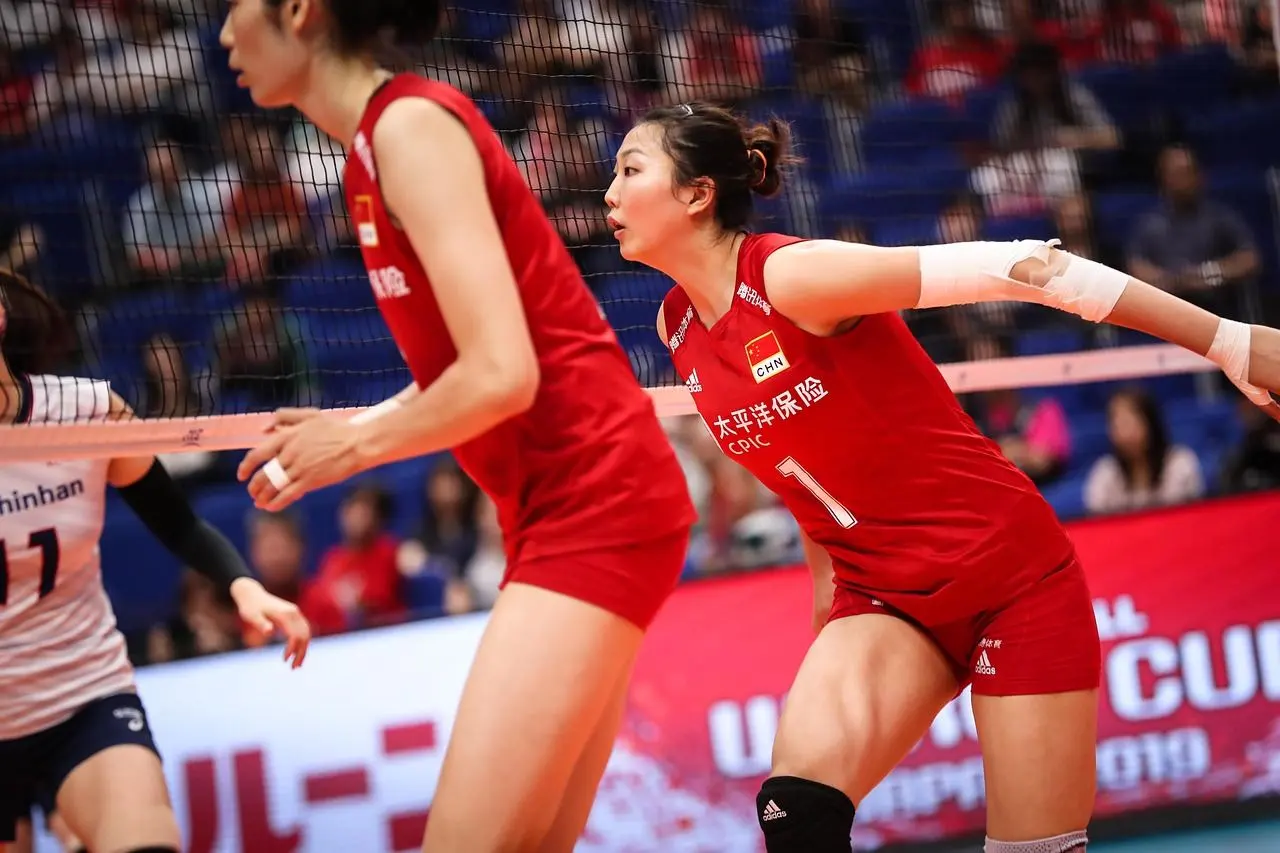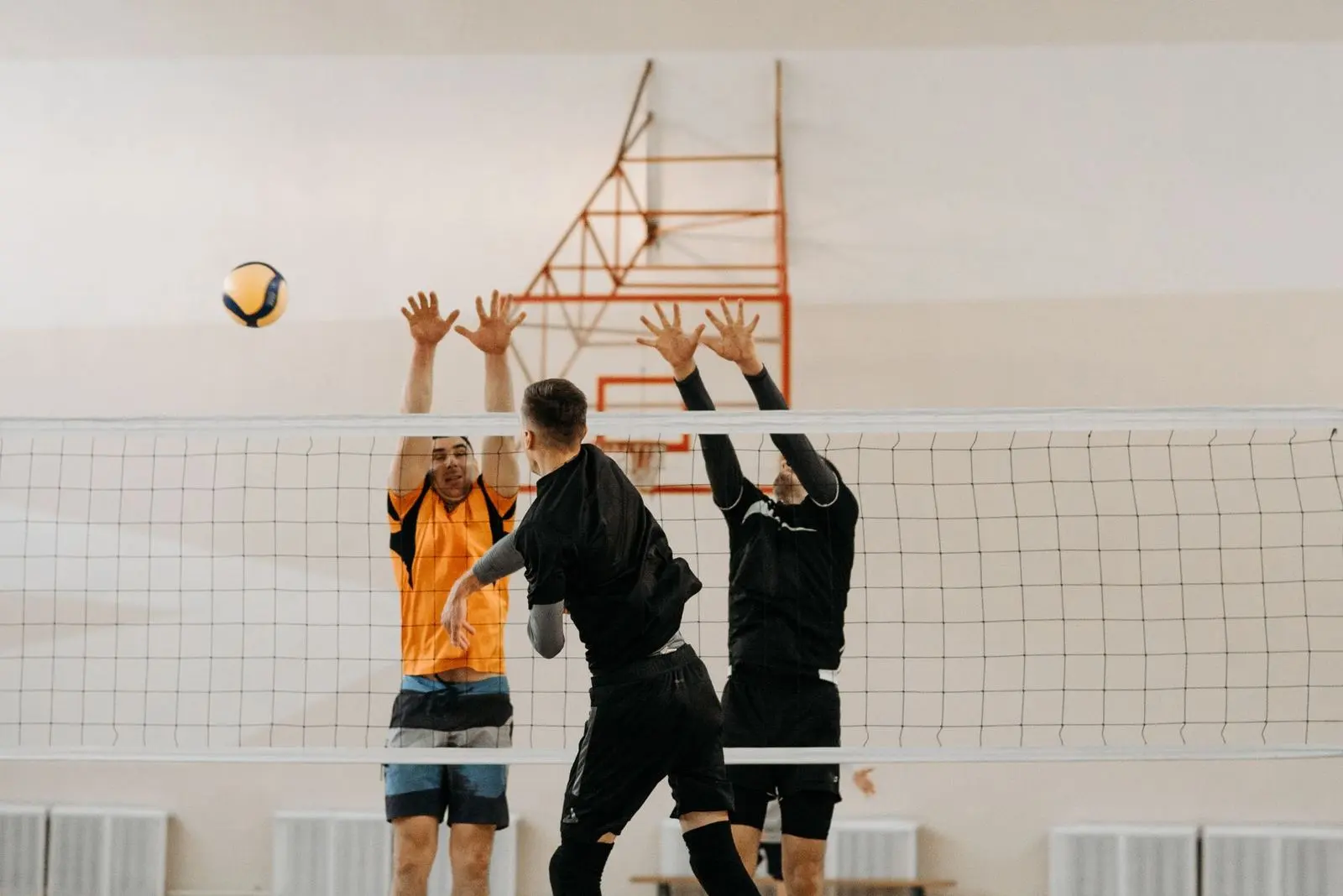
Nervous about hitting the floor? Here is how to dive in volleyball: read the ball early, wear knee pads, stay low, and learn the movement with a coach before you try it at full speed.
This guide sits alongside other volleyball training tips for players who want safer habits on defense.
| Item | Value |
|---|---|
| Warm-up before play | 3 to 5 minutes |
| Hold for each stretch | 30 seconds |
| Cool-down after play | About 10 minutes |
| Overhead court clearance | 23 feet |
| Volleyball injuries treated in 2015 | More than 183,000 |
These figures come from OrthoInfo from the American Academy of Orthopaedic Surgeons and University of Utah Health. Figures can change, so check the source before you rely on them.
What a safe dive looks like
A dive is a defensive recovery for a ball you cannot reach with a normal step. It puts your body close to hard floor contact, which is why preparation matters as much as the movement itself.
Digging is an unpredictable movement, and USA Volleyball notes that the player must react instantly and dive based on the ball’s flight path. The same article says too few coaches train anticipation, meaning reading and reacting to the flow of the ball.
Three habits separate a safe dive from a risky one:
- Read the flight of the ball early, so you are never scrambling at the last moment.
- Wear pads on the parts of your body that meet the floor first.
- Have someone who knows the skill check your technique.
How to learn the dive safely
Diving is not a skill to figure out alone at match pace. University of Utah Health advises working with a coach on proper technique for powerful movements such as serving, spiking, and diving, and says this matters most for younger players and those who are new to the game.
A sensible learning order looks like this:
- Ask a coach or experienced teammate to watch your movement and correct it.
- Train your read of the ball, because a good read often means you reach it without a dramatic dive.
- Do your early floor reps in pads, on a clean and open court.
- Stop and speak up if anything hurts, rather than playing through it.
USA Volleyball makes a pointed observation here: coaches work endlessly on technique, such as how to do a roll to get to the ball, while the real problem is that the athlete cannot anticipate where the ball is going to be.
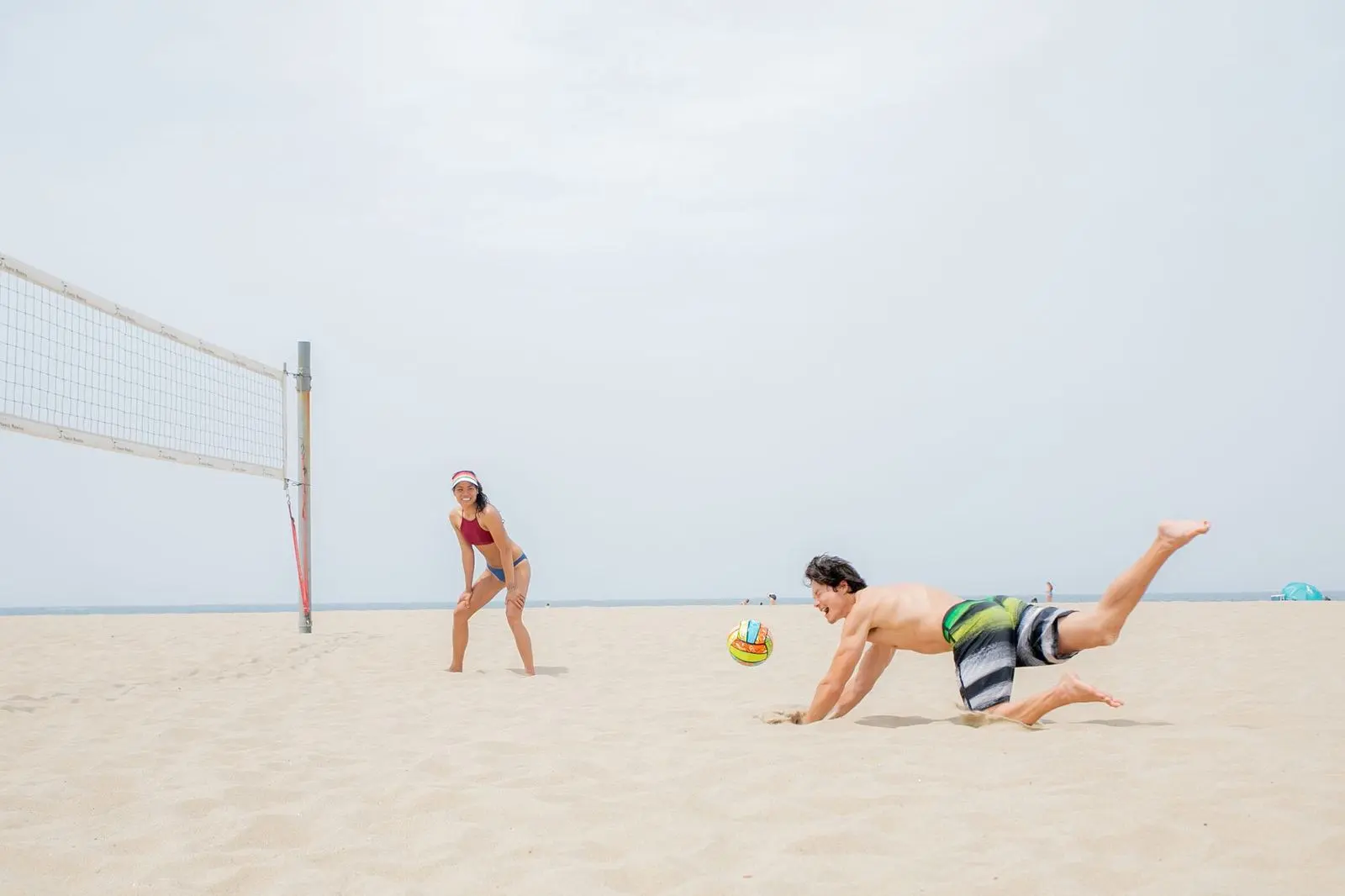
In other words, treat the dive as the last tool in your defensive kit, not the first. Better positioning and earlier movement reduce how often you need it.
Gear and court checks before you dive
The American Academy of Orthopaedic Surgeons advises knee pads for any time you fall or dive onto the court. It adds that defensive pants, padded from hip to knee, can protect you from floor burns and bruises. University of Utah Health also lists elbow pads as a way to prevent bruising or abrasions when diving.
A simple kit check covers the basics:
- Knee pads that stay in place when you slide.
- Elbow pads if your forearms take the first contact.
- Volleyball shoes with strong ankle and arch support and good shock absorption.
- An ankle brace or finger tape if you are protecting an old injury.
On braces, University of Utah Health quotes sports medicine physician Joy English saying multiple studies show ankle braces significantly reduce ankle sprains, especially for players with earlier sprains.
Check the space as well. The AAOS says a court should have 23 feet of overhead clearance, and outdoors you should inspect the ground for sharp objects, rocks, and glass before you play. It also recommends that you call for the ball to reduce the chance of colliding with a teammate.
Which injuries can a dive cause?
Diving can strain the lower back. University of Utah Health says back strains and disc injuries can come from an unengaged core or frequent twisting when diving, serving, or spiking.
The same guide points to other risks in defensive play:
- Sprains, fractures and dislocations of the wrists and fingers, which are especially common when digging or blocking.
- Concussions, which are less common than in football or soccer but can still happen, especially when digging.
For context, Dr. English says about 40% of volleyball injuries affect the lower extremities, while about 34% involve the upper extremities, according to University of Utah Health. The AAOS cites a U.S. Consumer Product Safety Commission count of more than 183,000 volleyball-related injuries treated in 2015.
If you are hurt, the AAOS says symptoms must be completely gone before you return to play. For a joint problem, that means no pain or swelling, full range of motion, and normal strength, per the AAOS guidance.
Warm-up and practice habits
Cold muscles are more prone to injury, so the AAOS suggests a warm-up of jumping jacks, stationary cycling, or running or walking in place for 3 to 5 minutes. Follow it with gentle stretches, holding each one for 30 seconds.
Afterward, University of Utah Health recommends a cool-down of about 10 minutes of light cardio and static stretching.
Strong legs and a steady core make low positions easier to hold, so add some volleyball conditioning workouts to your week. Because a dive begins with a read of the ball, you can also pair floor work with volleyball passing drills that sharpen your first step.
Frequently asked questions
Who should teach me to dive?
Show answer
Look for a coach who can watch you move and correct what they see. University of Utah Health names diving among the powerful movements where supervised technique helps, particularly for beginners.
Do I need pads just to practice diving?
Show answer
Pads are a sensible starting point for any floor work. The AAOS specifically names knee pads for falls and dives onto the court.
How can I reach more balls in time?
Show answer
Work on judging where the ball will land before it gets there. USA Volleyball argues that the real gap is often anticipation, so a better read beats a flashier dive.
What should I do if something hurts after a dive?
Show answer
Do not ignore it. University of Utah Health says persistent pain should go to a primary care physician or sports medicine provider. This is general information, not medical advice.