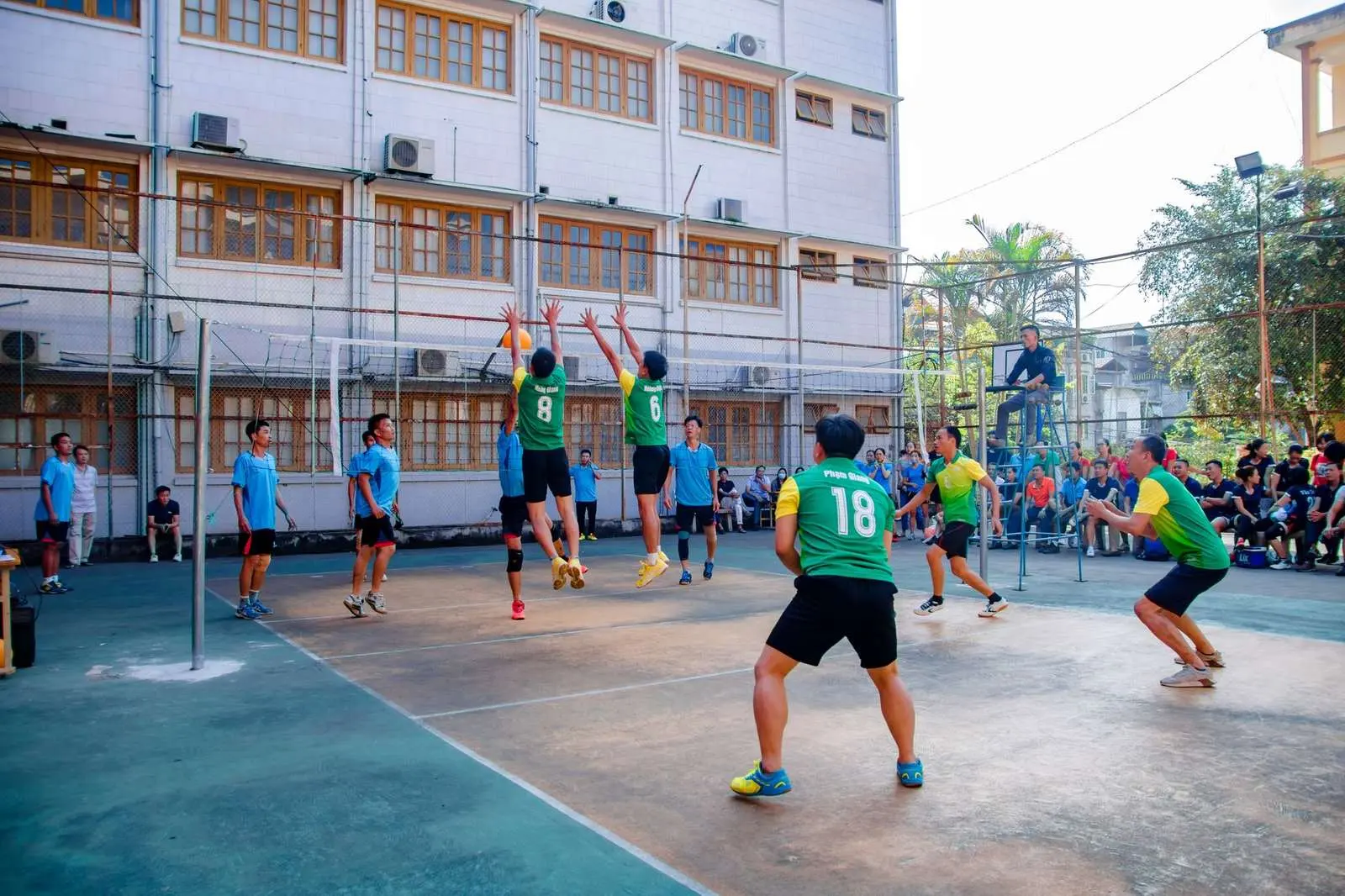
Trying to follow a season without losing the thread? The volleyball league format is simple: a preliminary round decides the table, then a knockout phase decides the champion. The Volleyball Nations League is a clear example.
This guide belongs to the volleyball league news section of an independent site that is not affiliated with any league or governing body.
| Item | Value |
|---|---|
| Teams per gender (VNL 2025) | 18 teams |
| Preliminary Phase matches per team | 12 matches |
| Preliminary Phase matches in total (VNL 2025) | 216 matches |
| Matches per season including the finals (VNL 2025) | 232 matches |
| Competition days per week (VNL 2025) | 5 days per week |
| Teams reaching the quarterfinals (2022 formula) | 8 teams |
The figures come from the FIVB’s January 2025 preview of the VNL and the Volleyball World 2022 formula page. Formats can change from one edition to the next, so check the source before you rely on them.
The basic shape of a volleyball league season
The VNL is an annual league for men’s and women’s national teams, and its formula is published in detail, which makes it a handy model. You can read how the 2022 edition was set up on the Volleyball World formula page.
A season of this kind has three moving parts:
- Preliminary phase: every team plays a fixed number of matches and is ranked in one table.
- Final phase: the best-placed teams meet in knockout rounds that end with medal matches.
- Entry for next season: the final ranking decides who is replaced and who joins.
The sections below take each part in turn, using the published VNL formulas as the worked example.
How the preliminary phase is laid out
The 2025 edition was the first with 18 teams per gender, according to the FIVB’s January 2025 preview. Each team still plays 12 matches spread across three competition weeks.
What changed was the weekly layout. The preview describes it this way:
- three pools per week, played at three different venues;
- six teams in each pool;
- competition days cut from six to five per week.
In that new format, the Preliminary Phase holds 216 matches, and the season totals 232 once the quarterfinals, semifinals and medal matches of both genders are added, per the same FIVB preview. Players also gain an additional week of rest.
The 2022 formula used a different logic for the same 12 matches. Each team played 12 matches over 3 weeks against equally strong opponents, drawn from four ranking bands, as the Volleyball World page explains.
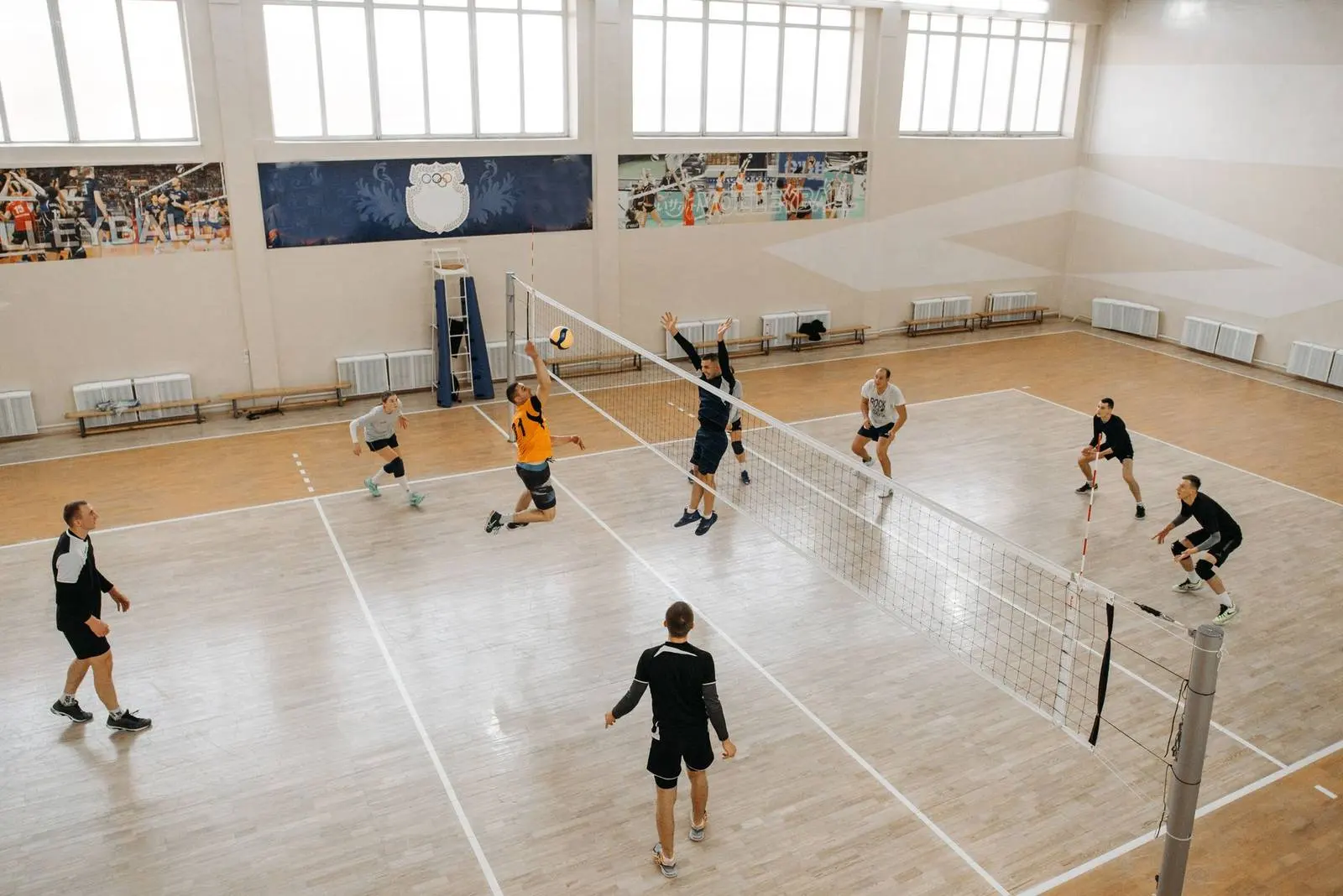
How the knockout phase decides the champion
Under the 2022 formula, the top eight teams in the table advance to the Final Phase, a direct-elimination Final 8 that begins with the quarterfinals. The host nation has a guaranteed berth, according to the Volleyball World formula page.
The bracket then runs in three steps:
- Quarterfinals: first against eighth, second against seventh, third against sixth and fourth against fifth.
- Semifinals: the winners of the quarterfinals cross over to meet each other.
- Medal matches: semifinal winners play for the title, and the losers play for third place.
For 2025 the FIVB preview states there is no change in the format of the Final Rounds. To see how a table feeds those pairings, follow the volleyball league standings as the preliminary weeks unfold.
How has the VNL format changed since 2021?
The knockout stage grew and then the field grew. The table compares three editions.
| Edition | Teams per gender | Teams in the knockout stage |
|---|---|---|
| 2021 | 16 teams | Top 4 teams to the semifinals |
| 2022 | 16 teams | Top 8 teams to the quarterfinals |
| 2025 | 18 teams | Final Rounds unchanged: quarterfinals, semifinals and medal matches |
Sources: the Volleyball World 2022 formula page and the FIVB’s January 2025 preview; check them before relying on the figures.
In 2021, a round robin fed a short semifinal stage. From 2022 the league used a Final 8, and the 2025 edition kept that knockout shape while adding two teams per gender.
Entry, relegation and the season calendar
Expansion in 2025 came without drops. The FIVB’s January 2025 preview says none of the 2024 participants were relegated, while the 2024 Volleyball Challenger Cup winner and the world’s highest-ranked team in each gender earned the right to join VNL 2025 (source).
The same preview ended the split between core and challenger teams. From that edition, whoever finishes in 18th place in the final standings of a gender is relegated and is replaced by the highest-ranked team that has not yet qualified.
On the calendar, the preview places the VNL at the start of the national team season, with the first games on 4 June and the last on 3 August. Squad changes sit outside the match schedule, and the volleyball transfer window explains how that side works.
Which playing rules differ at international level?
League structure is one thing, and the rules on court are another. A June 2019 rundown from USA Volleyball notes that in FIVB play each team has only six substitutions per set, fewer than in high school, college and USAV matches.
The same page says international teams get two challenges per team for each set, and a team keeps a challenge if it is successful. Rules are revised over time, so treat a 2019 summary as a starting point and check the current rulebook of your own competition.
Frequently asked questions
How many matches does a team play before the knockouts?
Show answer
Twelve in both formulas covered here. The 2022 version spread them over 3 weeks, and the 2025 version over three competition weeks, per Volleyball World and the FIVB.
Does the host team skip the preliminary rounds?
Show answer
No. The 2022 formula only guarantees the host a spot in the Final Phase, and the team still has to win its matches there (Volleyball World).
What happens to the bottom team after a season?
Show answer
Under the FIVB’s January 2025 preview, the side that ends last of 18 in a gender goes down. The highest-ranked team not yet in the field takes its place the following season (FIVB).
Is this site an official league source?
Show answer
No. It is an independent guide with no official status, and it does not take registrations or orders. For fixtures, entries and rulings, go to the organiser of the competition you follow.