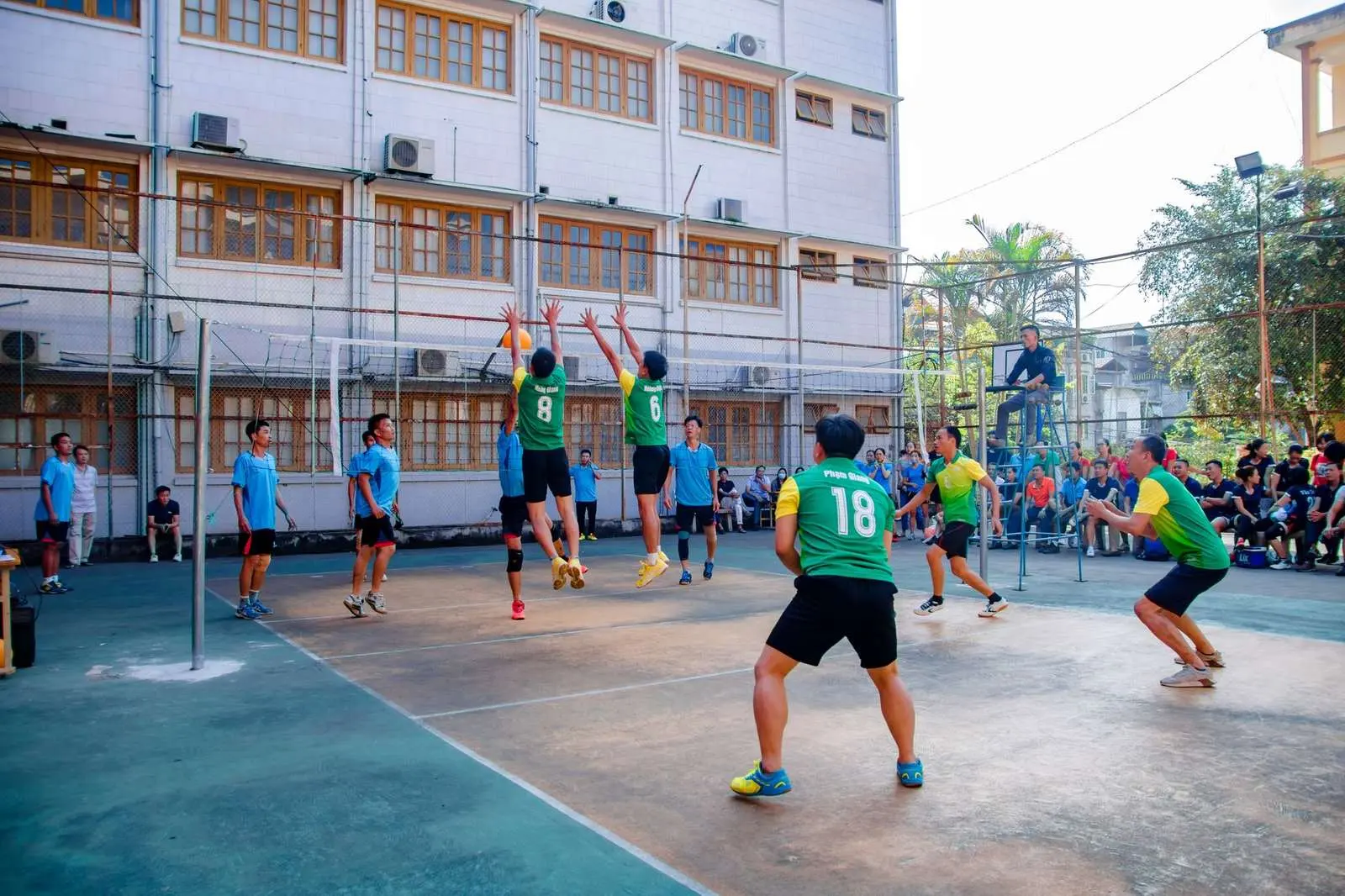
Torn between a volleyball club vs school team? For you, the short answer is that school offers pride and daily teammates, while club offers a longer season and college exposure. Many players do both.
This guide sits within our volleyball league news coverage. This site is independent, is not an official league body and does not take registrations or orders.
| Item | Value |
|---|---|
| Typical club season window | November to June |
| Length of the club season | Eight months |
| High school season versus college season | Same time of year |
| Main window for college recruiting | Club season |
| JVA club affiliation formed | Late 2006; first club season 2007 |
These figures come from AZPreps365’s report of October 3, 2017 and PrepDig’s overview of May 9, 2014. They can change, so check the sources before you rely on them.
How club and school volleyball differ
The AZPreps365 report describes a matchup in which club and high school volleyball are trying to coexist. It leans on Scottsdale Prep’s Chris Stanfield, who coaches at both levels and so sees the contrast up close.
Stanfield says he is more intense with his club players and demands much more from them. In the same piece, the coaches describe two different jobs for the two programs.
- School team: school pride, tradition and teammates you see every day.
- Club team: a long tournament schedule that puts players in front of many college coaches.
- Together: both are described as valuable to the athlete and the student.
Season timing and college recruiting
According to AZPreps365, a club team travels to several tournaments across a long season that begins in November and ends in June. That is about eight months of training and play, which the report calls challenging.
The timing matters for recruiting. Because the school offseason lines up with the college offseason, college coaches are free to travel and watch club play. Arizona College Prep coach Heather Orr says more and more kids choose club because they want a chance to play in college.
Stanfield adds that many top school players skip the school season and treat it as offseason training for club. Not every coach agrees that club is crowding out school play, as the next section shows.
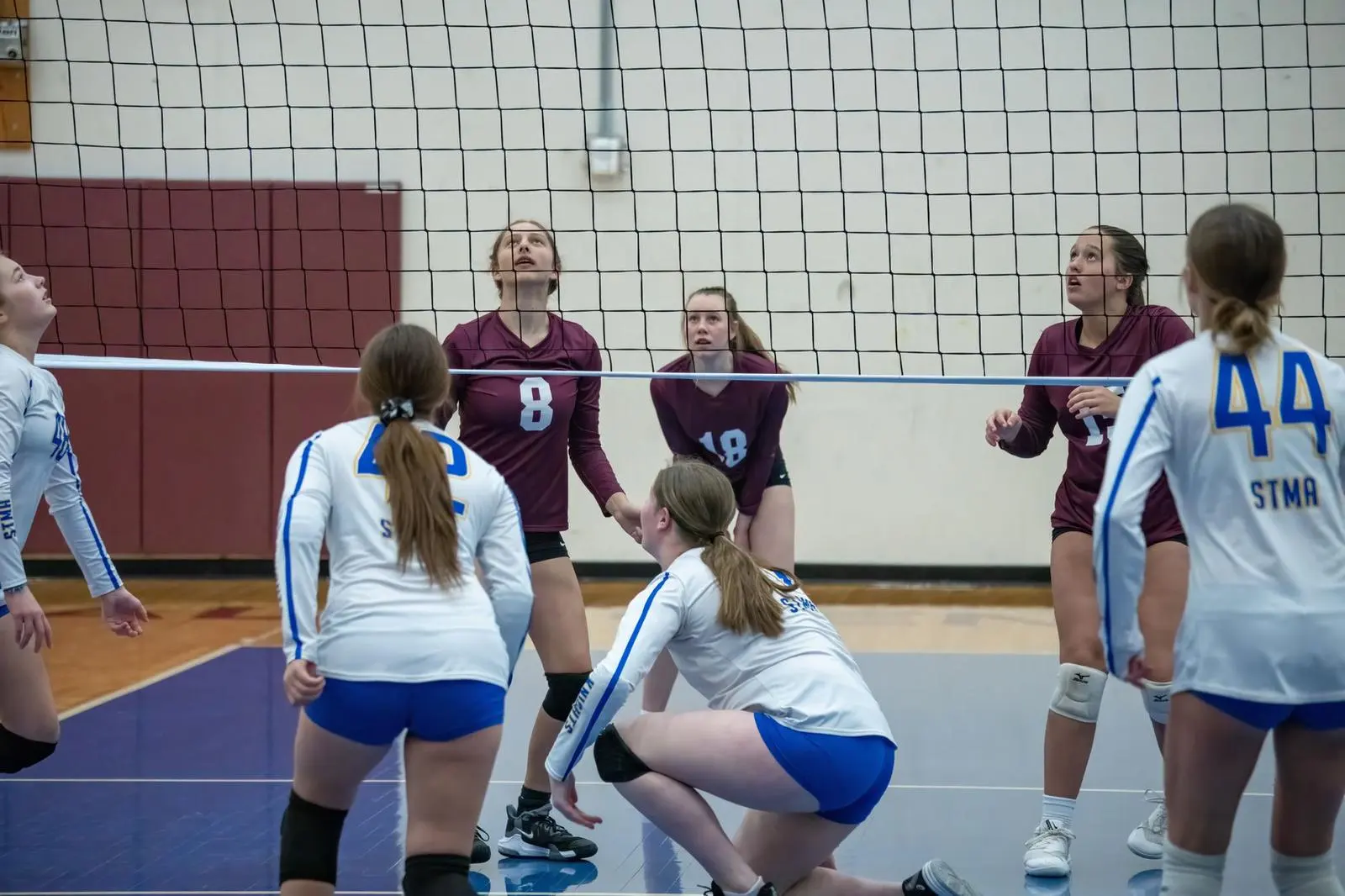
Lindley, a coach at Veritas Prep, points out that the two seasons run right up against each other. As soon as one finishes, the other starts again, so rest is the part of the calendar to plan around.
What a school team still gives you
Veritas Prep coach Emily Lindley, quoted by AZPreps365, calls high school volleyball a time for school pride and tradition. Her view is that club does not offer that.
She also names a practical difference. At school you see your teammates through the day and at lunch, which she says is not as easy to do during the club season.
If you are not chasing a college roster spot, that daily connection may be the better reason to play. If you are, club is where the same report says recruiters do most of their watching.
When a school builds its own club team
A USA Volleyball resource by Cassandra Prewitt notes that more and more high schools are making their own club teams. She asked college coaches whether that helps or hurts a player. Their answers were mixed.
- Davidson College’s Chris Willis says players gain from a variety of coaching philosophies.
- University of Oregon coach Jim Moore warns that top players may not get a fair chance to grow without exposure to a high level of play.
- Washburn University’s Chris Herron finds it wrong for a school coach to require club play as a condition of making the school team.
- IUPUI’s Nicole Cirillo says strong players should be challenged and surrounded by teammates who make them better.
Cirillo does not object to schools forming club teams at all, according to the same resource. Her concern is making players join them.
The takeaway for you is to ask whether a school-run club team is optional. A team that stretches a strong player is worth more than one chosen for convenience.
USAV or JVA: the club affiliation question
PrepDig’s overview calls USA Volleyball (USAV) and the Junior Volleyball Association (JVA) the two major club affiliations. The split began late in 2006, when a group of clubs formed JVA after becoming disenchanted with parts of USAV.
Chief among their concerns was the growing difficulty and expense of qualifying teams for the USAV Junior National Championships. That piece dates from 2014, so confirm how each organisation works now before you pay any fees.
How to decide between club and school
- Name your goal: college play, school experience, or both.
- Map the calendar so you know where the school and club seasons overlap.
- Ask the school coach whether any club commitment is required.
- Compare coaching and the level of competition, not just the price.
- Check which club organisation a team belongs to.
Postseason structure also varies, so our guide to the volleyball playoffs format is a useful starting point. Rules shift over time too, which is why it pays to follow volleyball rule changes before a new season.
Frequently asked questions
Do I have to choose between club and school volleyball?
Show answer
Not necessarily. AZPreps365 reports that girls do not have to pick, because the two seasons sit opposite one another on the calendar.
Is club the main route to college recruiters?
Show answer
Chandler Prep coach Anthony Jones told AZPreps365 that club is the major recruiting factor for players aiming higher. His reasoning is that the school season overlaps the college season, leaving college coaches little time to attend school matches.
Why do some schools run their own club teams?
Show answer
Coaches at Georgetown College told the USA Volleyball resource that location can be the reason, since larger towns with larger clubs may be far away. They also see coaches who want to keep players together for the school season, and say top players are often held back either way.
Is school volleyball fading because of club?
Show answer
The AZPreps365 report says more girls play club, yet school participation has not dropped sharply. The bigger decline it describes is among athletes who play several sports.